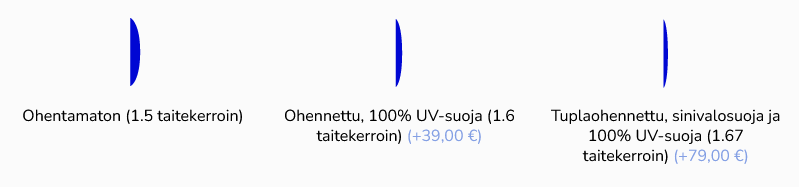
We offer lenses without refraction (1.5 refractive index), with single refraction (1.6 refractive index and 100% UV protection) and double refraction (1.67 refractive index and 100% UV protection).
Recommendations
For lenses with low powers (-2.0 - 4.5 and +2.0 - +4.0) we recommend a thinned (refractive index 1.6) or unthinned lens.
Double gain is recommended for intensities (-4.0 - 7.0 or +3.5 - +5.5)
In addition to being lighter and thinner, double and triple thinned lenses offer 100% UV protection. However, a double-thinned lens is not optically superior to a single-thinned lens. We therefore recommend that you choose a thinner lens according to your strengths.
If you have a larger lens power than mentioned above, please contact our customer service.
You can close this window by clicking the CLOSE button on the right-hand side or by clicking outside the window.
Lens colours
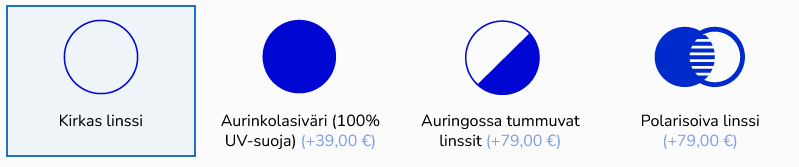
You can choose clear or tinted lenses.
Clear lens: normal clear eyeglass lenses without tint.
Sunglass shade: tinted sunglass lenses.
Sun-darkening lenses: tinted sun-darkening lenses, also known as photochromic lenses.
Polarising lenses: tinted anti-glare lenses.
You can close this window by clicking the CLOSE button on the right-hand side or by clicking outside the window.
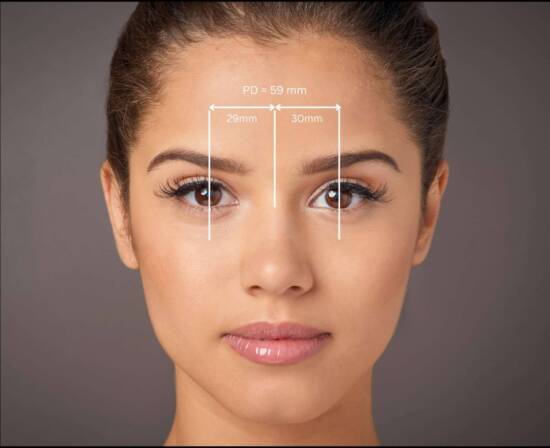
Pupillary distance or PD or KV value
The PD value (or KV value) tells you the distance between the pupils and is often found on the card that came with your glasses.
You can close this window by clicking the CLOSE button on the right-hand side or by clicking outside the window.
What kind of frames can be lensed?
Linssittämiseen sopivat kehykset:
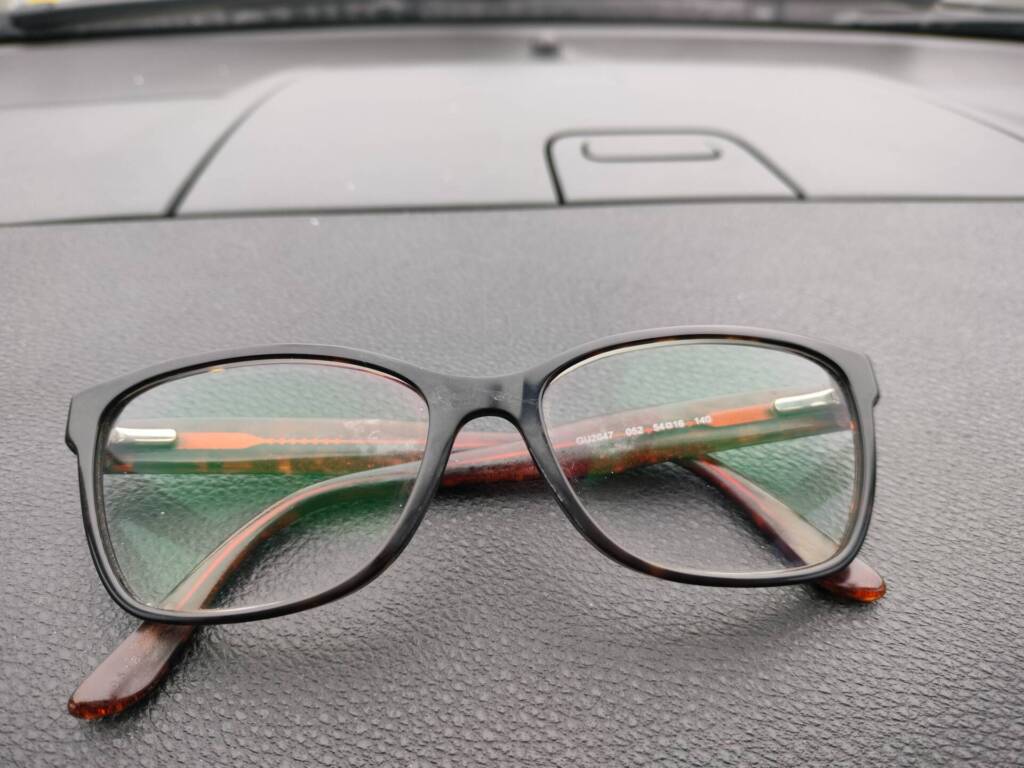
Kaikki tavanomaiset hyväkuntoiset käytetyt ja uudet muovi- ja metallikehykset, joissa on linssit paikallaan.
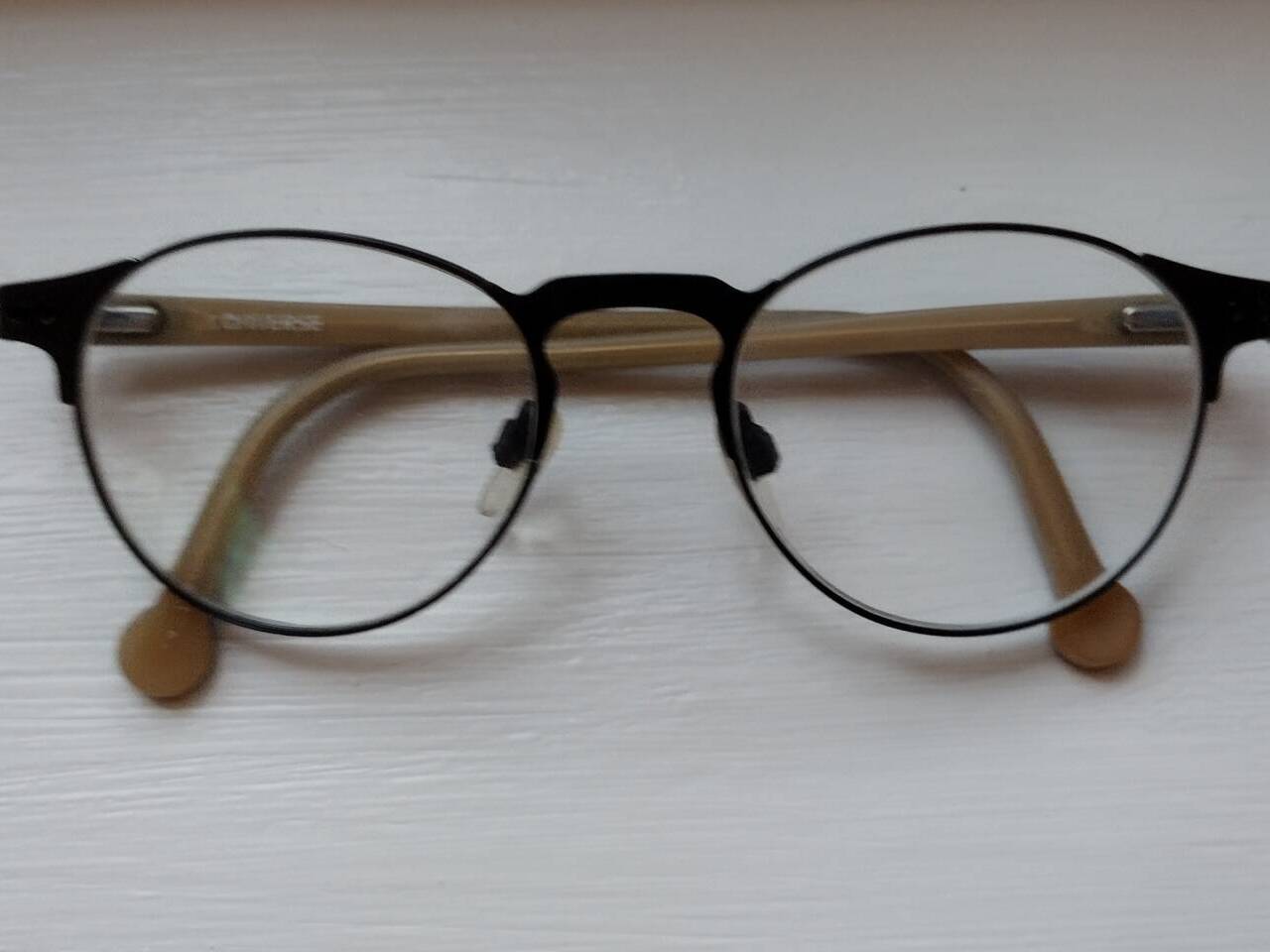
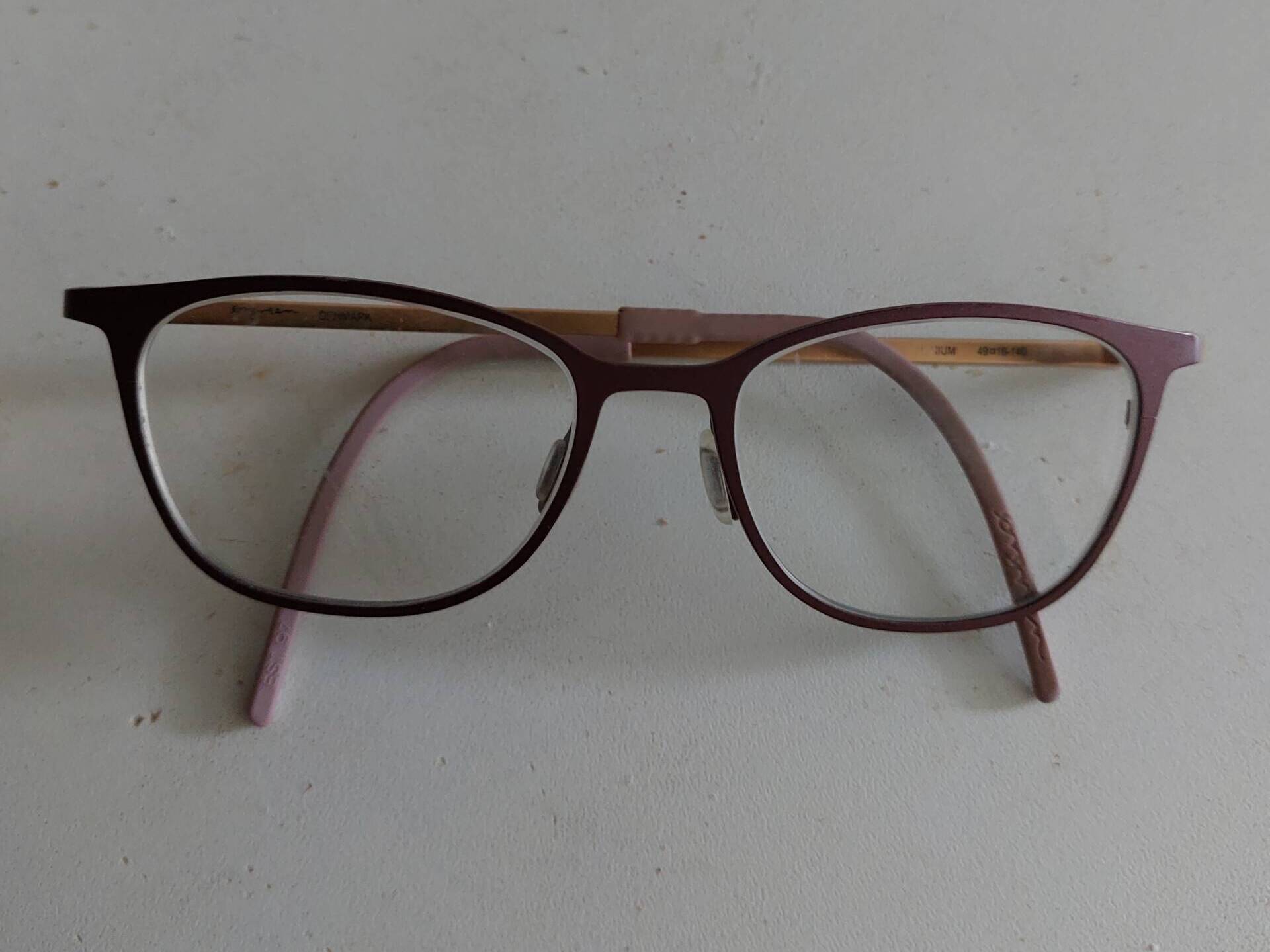
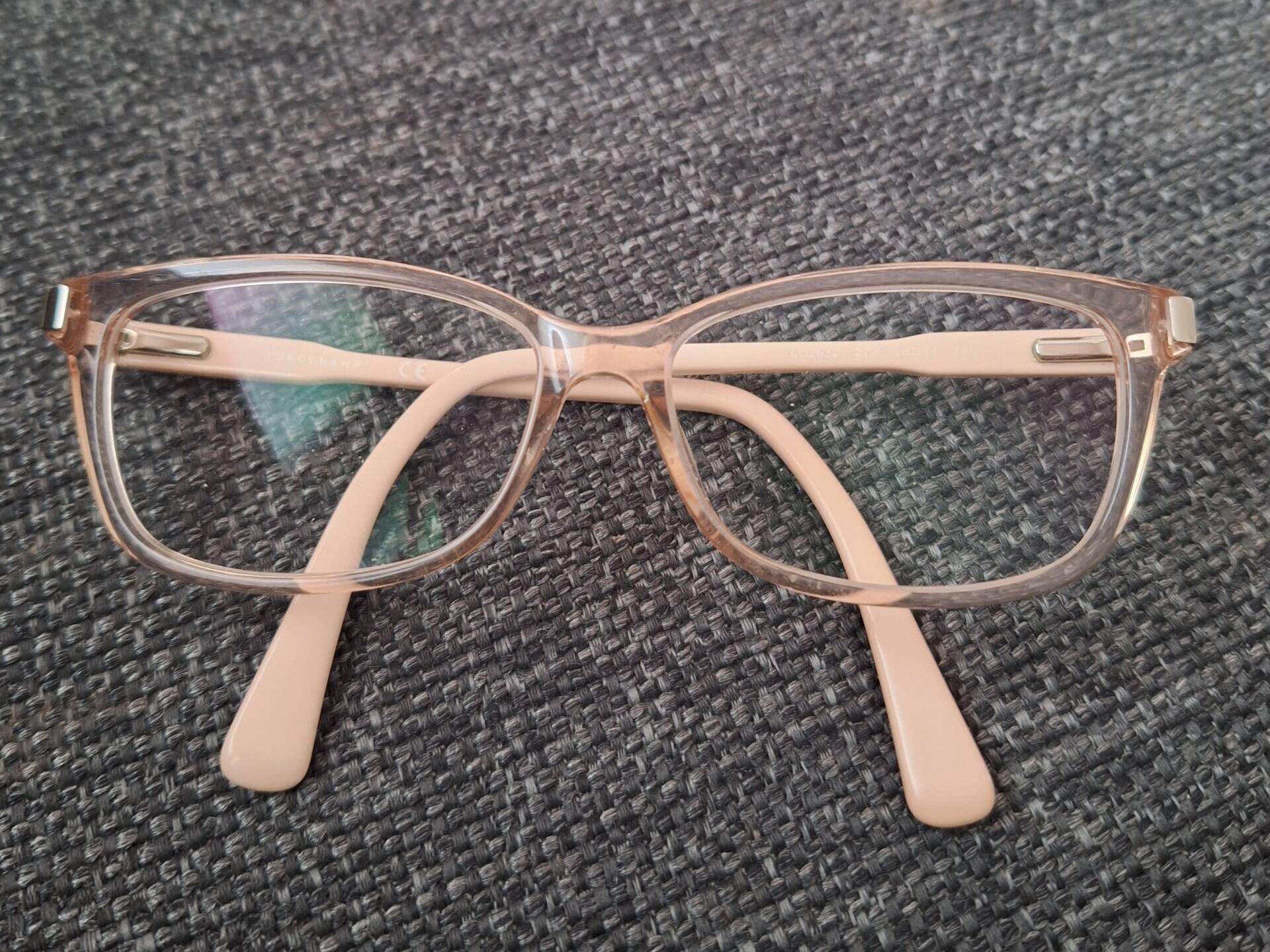
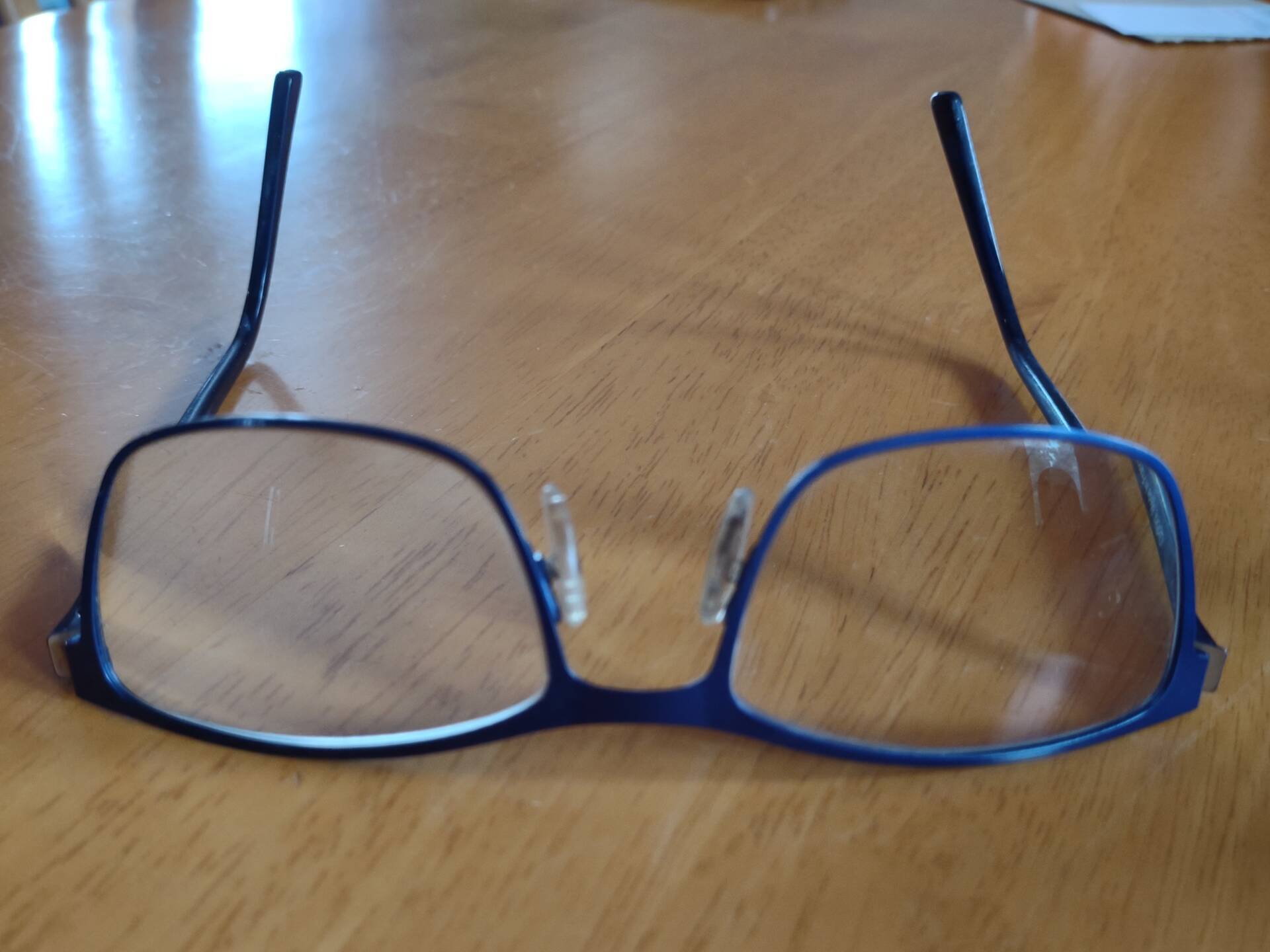
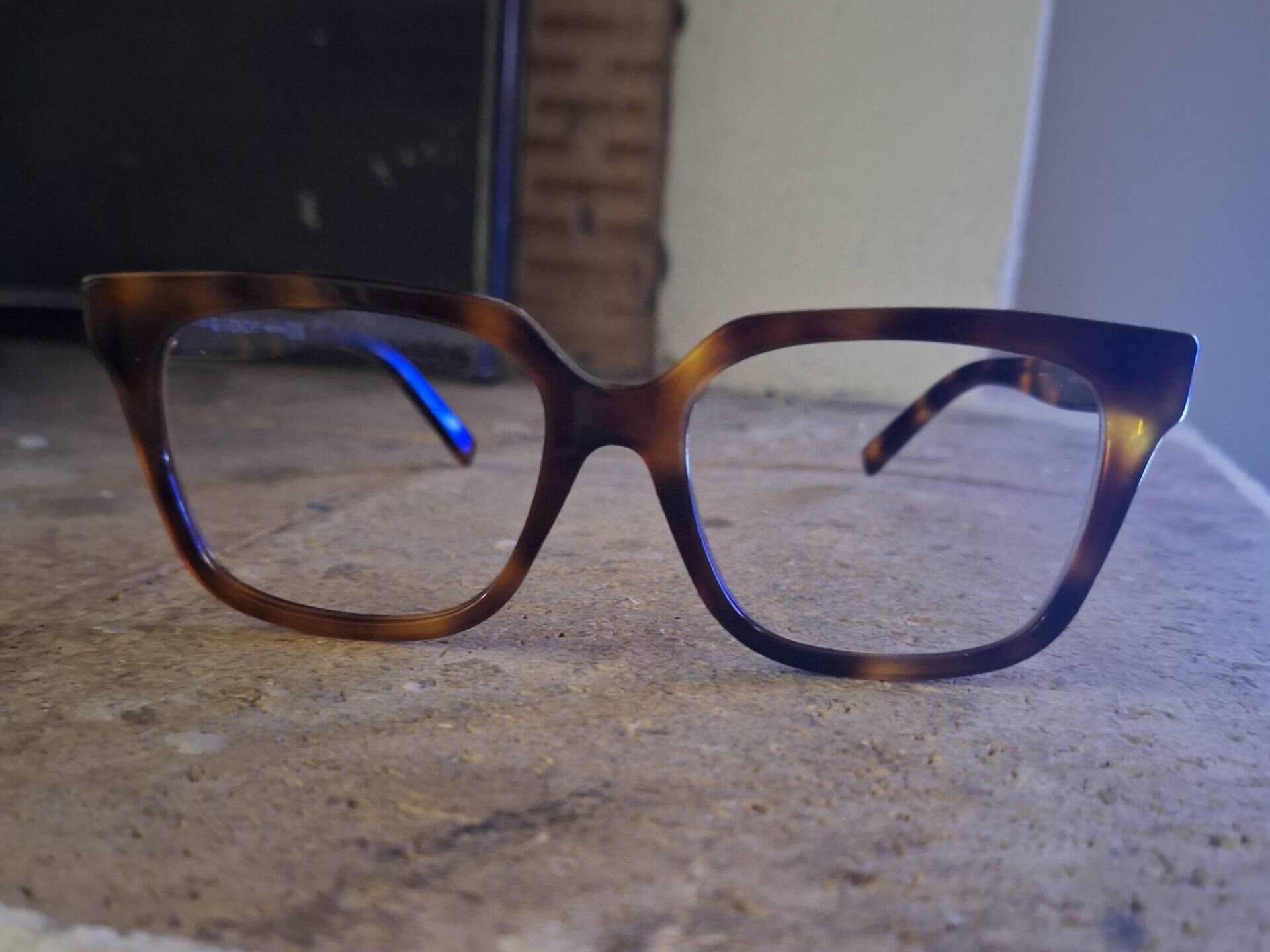
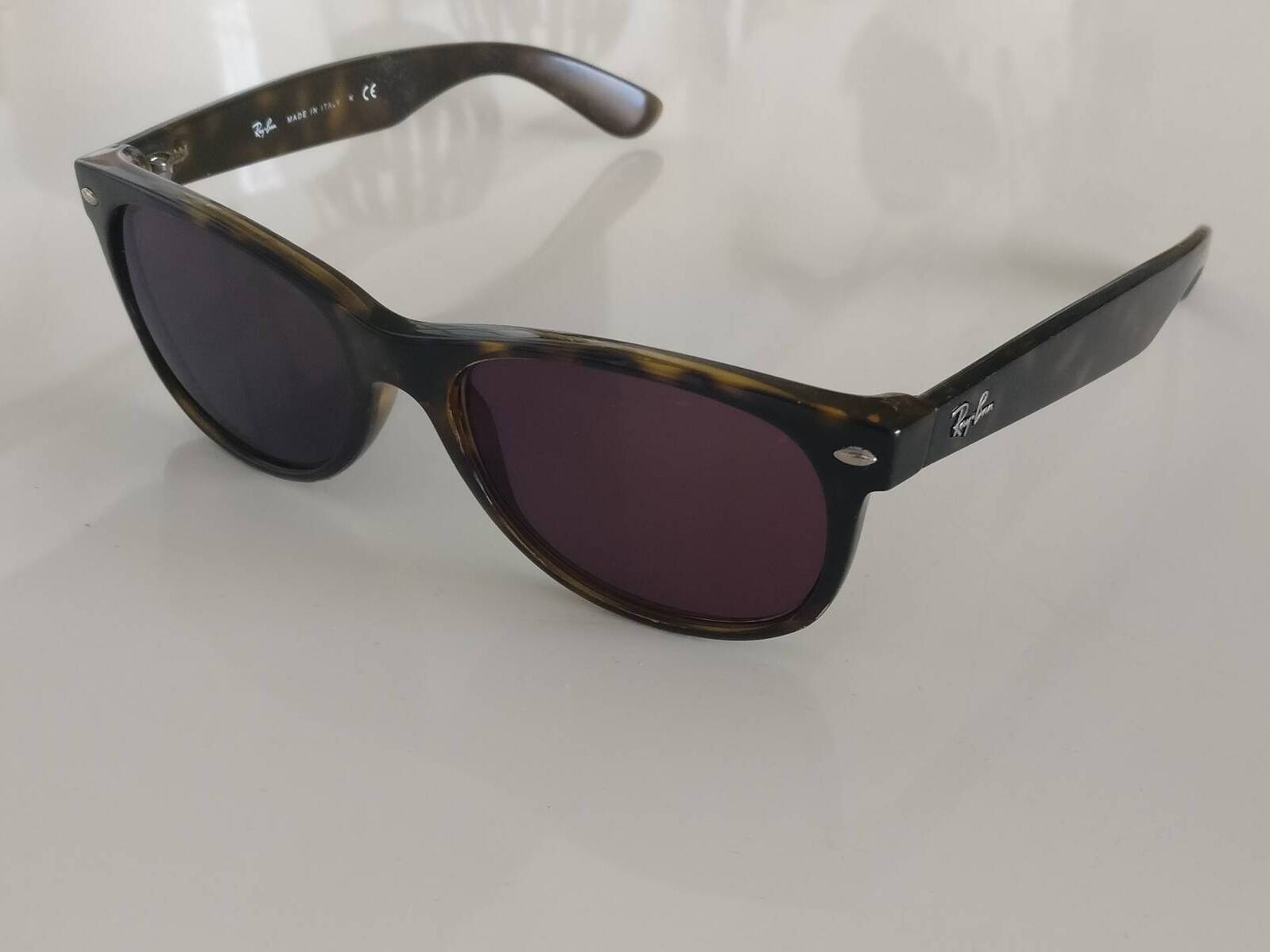
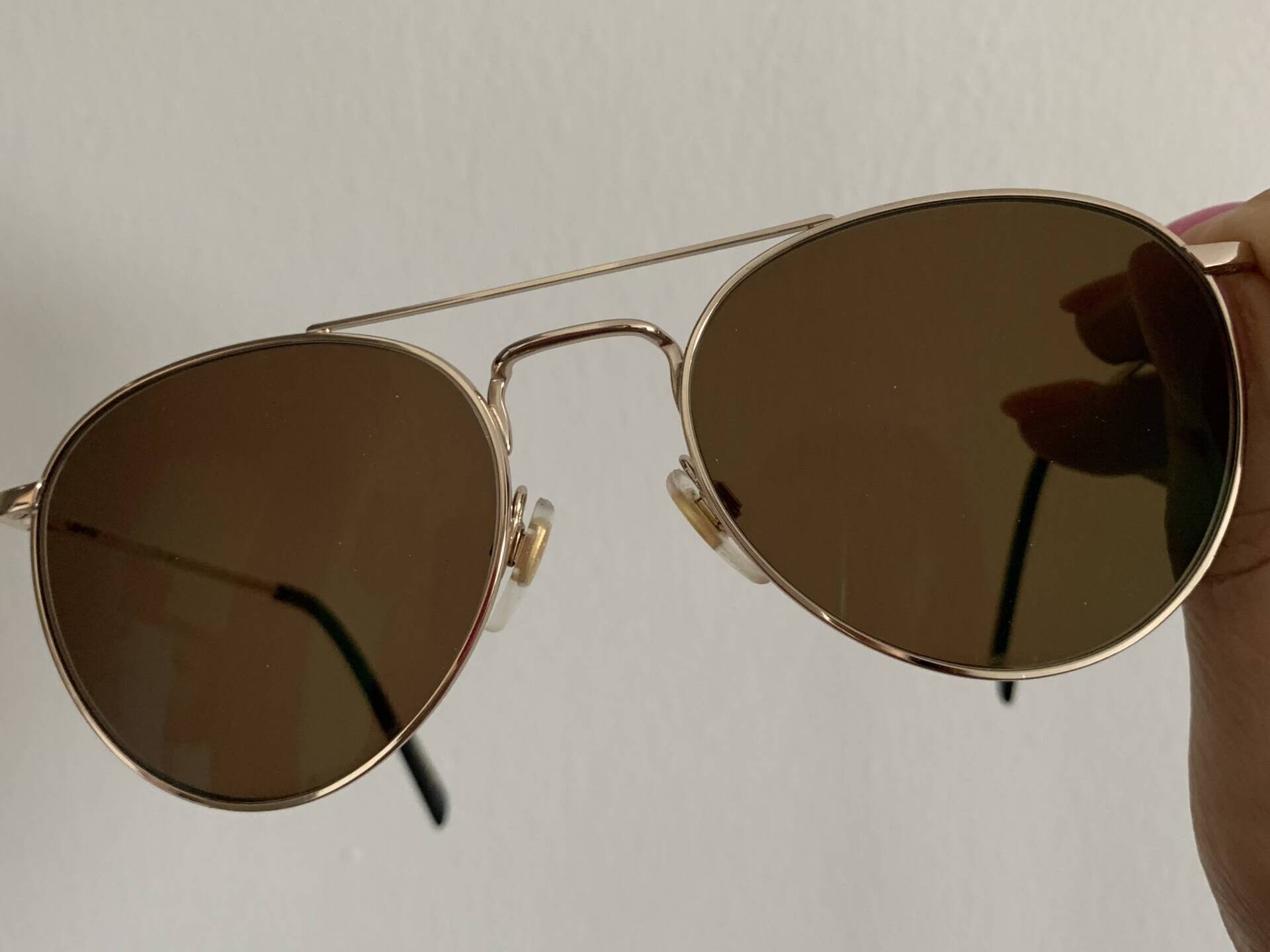
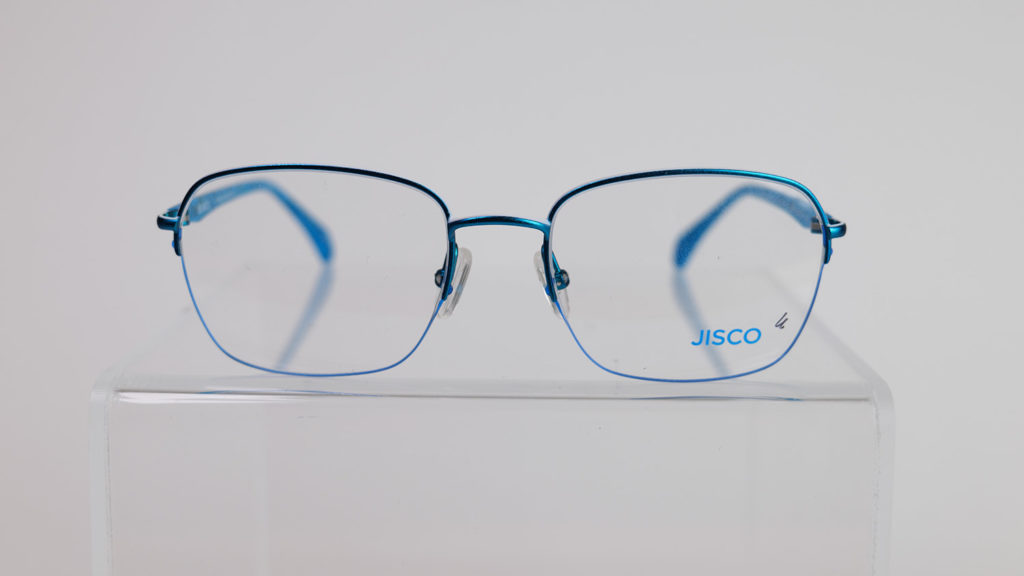
Alla esimerkkejä kehyksistä, joihin olemme tehneet uudet linssit (voit klikata kuvaa suuremmaksi).
Kehykset joita ei voida linssittää:
Valmiit luku- ja aurinkolasit sekä edulliset asusteeksi tarkoitetut kehykset eivät sovellu linssitettäviksi. Valmislaseilla tarkoitetaan esim. kaupoissa myytäviä luku- ja aurinkolaseja. Valmislasien kehykset ovat usein niin heikkolaatuisia, etteivät ne kestä uusien linssien asennusta.
Siimakehykset/nylor-kehykset, joissa kehyksen alaosa on korvattu nailon- tai metallilangalla.
Kehyksettömät kehykset (ns. hengettömät), joissa linssien ympärillä ei ole lainkaan kehyksiä.
Erittäin kaarevat kehykset (yleensä urheilulasit) eivät sovellu linssitettäviksi.
Puukehykset ja älylasit
Jos olet epävarma onko kehyksesi sopiva linssittämiseen voit lähettää kuvan asiakaspalvelumme arvioitavaksi.
Below you will find sample images of the frames and frameless glasses.
Frameless frames (so-called breathless frames)
Silk frames (nylor glasses)
You can close this window by clicking the X button on the right-hand side or by clicking outside the window.
How to place an order
On the product page
Choose the range of vision (good or wide), the thinning, the colour and the additional features you want. The choices are made by clicking on the icons next to each step.
Choose whether to report the power data of your lenses immediately by entering it yourself or afterwards using the online form. You can also attach a picture of your spectacle prescription to your order and we will fill in the information for you. You will also need to enter the distance between your pupils, the PD (or KV).
Finally, press “Add to cart” and pay for your order on the checkout page.
After ordering
We will mail you an envelope to send you the lenses. Put your glasses in the envelope and take the envelope to the post office. The postage has been paid on your behalf. Leave your old lenses in the glasses.
We will notify you when your glasses have arrived. We will do a condition check on your frames and remove your old lenses.
We will make you new lenses based on the power levels you specify and fit the new lenses to your frames.
We will mail your glasses with new lenses to you and send you a tracking code by email to track your shipment. You will also receive your old lenses back in the package.
You can close this window by clicking on the X button at the top right or by clicking outside the window.
How to place an order
On the product page
First, choose the type of lenses (distance or multifocal). Then select your preferred field of view (multifocals only), dimming, colour and additional features. Selections are made by clicking on the icons next to each step.
Choose whether to report the power data of your lenses immediately by entering it yourself or afterwards using the online form. You can also attach a picture of your spectacle prescription to your order and we will fill in the information for you. You will also need to enter the distance between your pupils, the PD (or KV).
Finally, press “Add to cart” and pay for your order on the checkout page.
After ordering
We will mail you an envelope to send you the lenses. Put your glasses in the envelope and take the envelope to the post office. The postage has been paid on your behalf. Leave your old lenses in the glasses.
We will notify you when your glasses have arrived. We will do a condition check on your frames and remove your old lenses.
We will make you new lenses based on the power levels you specify and fit the new lenses to your frames.
We will mail your glasses with new lenses to you and send you a tracking code by email to track your shipment. You will also receive your old lenses back in the package.
You can close this window by clicking the X button on the right-hand side or by clicking outside the window.
How to place an order
On the product page
Choose your lenses for thinning, colour and additional features. Selections are made by clicking on the icons next to each step.
Choose whether to report the power data of your lenses immediately by entering it yourself or afterwards using the online form. You can also attach a picture of your spectacle prescription to your order and we will fill in the information for you. You will also need to enter the distance between your pupils, the PD (or KV).
Finally, press “Add to cart” and pay for your order on the checkout page.
After ordering
We will mail you an envelope to send you the lenses. Put your glasses in the envelope and take the envelope to the post office. The postage has been paid on your behalf. Leave your old lenses in the glasses.
We will notify you when your glasses have arrived. We will do a condition check on your frames and remove your old lenses.
We will make you new lenses based on the power levels you specify and fit the new lenses to your frames.
We will mail your glasses with new lenses to you and send you a tracking code by email to track your shipment. You will also receive your old lenses back in the package.
You can close this window by clicking on the X button at the top right or by clicking outside the window.
Cataracts are one of the most common sight-threatening eye diseases in older people. More than 30% of people over 65 have cataracts that impair their vision. As cataracts develop, they can cause visual changes that impair vision and require changes to the power of ophthalmic lenses. In this article, we tell you what you need to know about cataracts and getting new glasses.
What is cataract?
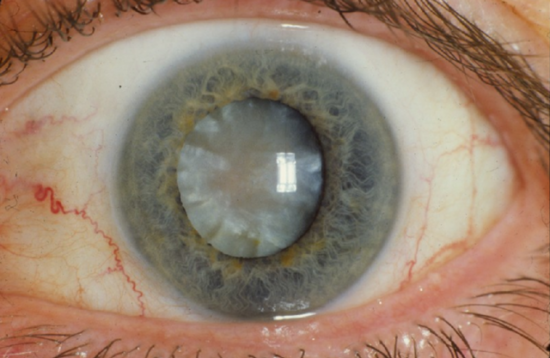
Cataracts form as the metabolism of the myelin (lens) of the eye deteriorates and the structures of the lens thicken with age. The myopia becomes cloudy or opaque, making it difficult to see clearly. Cataracts can cause vision loss and changes in several ways. Symptoms of cataracts include blurred or hazy vision, especially at a distance but possibly also at close range, light sensitivity, difficulty seeing in dim light and yellowish tones in colours.
An example of a cataract-clouded mykios
Detection of cataracts
Cataracts are often suspected at the point when changing the strength of the glasses no longer achieves the previous visual acuity, dim vision is impaired and bright lights are glaring. Changes in cataracts may not be detected in the early stages.
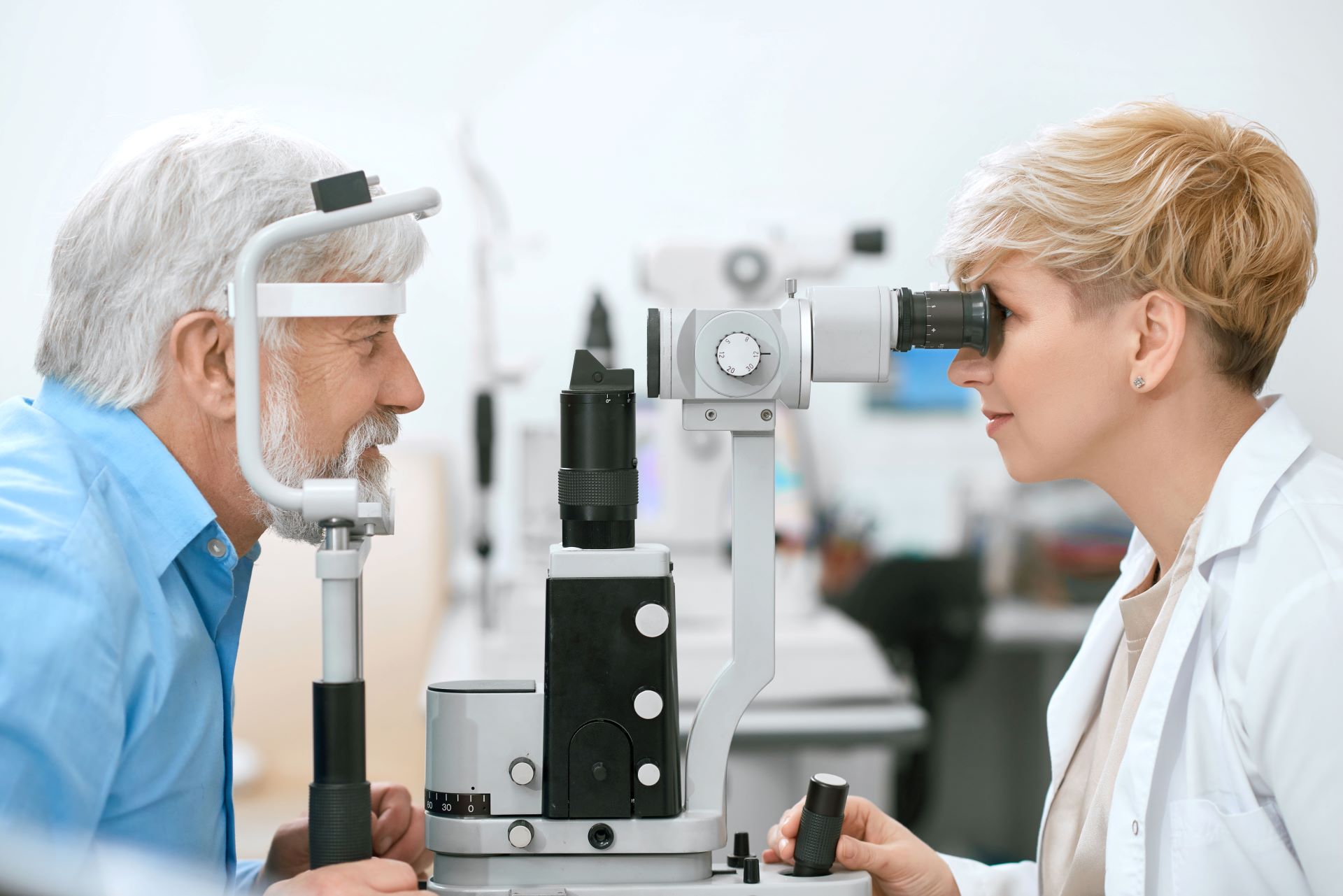
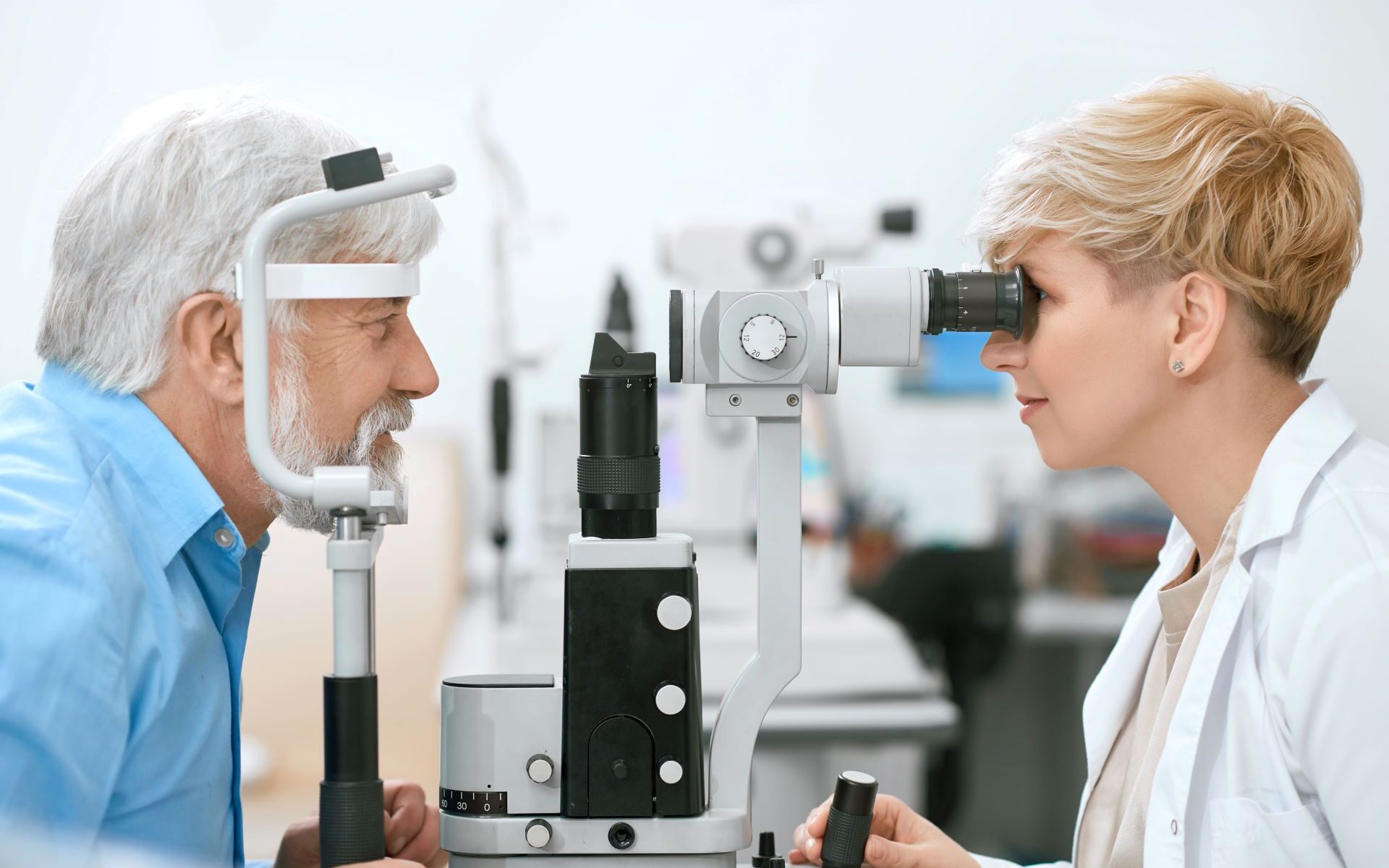
The optometrist can detect changes in opacities and vision and refer you to an ophthalmologist for further tests. A general practitioner can also detect the onset of cataracts with an ophthalmoscope. An ophthalmologist can diagnose cataracts using a microscope and can also detect minor cataract changes.
Getting new glasses for cataracts
If you have cataracts and need a new prescription for glasses, your eye doctor should take into account the changes in your vision caused by cataracts. In some cases, you may need to change your spectacle prescription more often than usual to keep up with changes in your vision. At some point, changes in spectacle strengths will not provide the desired visual improvement and cataract surgery will be needed to remove the cataract. Changes in cataracts can be rapid but usually we are talking about changes that occur on a yearly basis.
The type of glasses you need depends on your vision needs, usually the same type of lenses are used with the cataracts as before. In some cases, multi-power lenses are used to help with both distance and near vision, while some people who wear glasses can manage with single-power lenses for either distance or near. Anti-reflective coatings and lenses that darken in sunlight can also be useful to reduce glare and improve your vision in different lighting conditions. Lenses purchased from the Ololenski online store always come with an anti-reflective coating as standard.
Cataract treatment: cataract surgery
If the cataract becomes so severe that it interferes with your daily life and work, your ophthalmologist may recommend and refer you for cataract surgery. During cataract surgery, the cloudy lens is removed and replaced with an artificial lens. After surgery, a new prescription for glasses is likely to be needed to take account of the changes in vision. In Finland, around 50,000-60,000 cataract surgeries are performed each year and it is one of the most common in-hospital surgeries.
In some cases, cataract surgery can actually improve your vision to the point where you no longer need glasses for certain activities, such as driving or reading. It is important to be aware that cataract surgery does not prevent the development of other eye conditions.
Cataract surgery is always done on the basis of the situation in a single eye, but often cataract surgery is attempted in both eyes at the same time. However, sometimes cataract surgery is only done in one eye, in which case you may only need a new lens in one eye.
Cataract prevention
There is no preventive treatment for cataracts, but risk factors can be influenced by reducing smoking, alcohol consumption and obesity, for example.
Current knowledge also suggests that protecting your eyes from excessive sunlight is beneficial. It is important to protect your eyes from UV radiation for reasons other than cataracts. Ololenski’s online shop offers 100% UV protection in both single (refractive index 1.6) and double (refractive index 1.67) refractive lenses.
In summary, cataracts can cause vision changes that may require a new prescription. It is important to work closely with your ophthalmologist and optometrist to monitor your vision changes and get the right prescription for your needs. If your cataracts become severe, cataract surgery may be necessary and you may need a new prescription after surgery. Regular eye examinations will keep you up to date with your eye health and enable you to get the right lenses for your needs, so you can continue to see clearly and comfortably in everyday life.
Remember that you can now find your sight data directly in My Kanta. You can log in to My Kanta at: https: //kansalainen.kanta.fi/
Kyllä, meidänkin sivumme käyttää evästeitä. Sivujemme toiminnan mahdollistamiseksi käytämme teknologioita, kuten evästeitä, tallentaaksemme anonyymejä laite- ja kävijätietoja. Sopiiko tämä sinulle?
Functional
Always active
Tekninen tallennus tai pääsy on ehdottoman välttämätön oikeutettua tarkoitusta varten, joka mahdollistaa tietyn tilaajan tai käyttäjän nimenomaisesti pyytämän palvelun käytön, tai ainoana tarkoituksena on viestinnän välittäminen sähköisen viestintäverkon kautta.
Asetukset
Tekninen tallennus tai pääsy on tarpeen laillisessa tarkoituksessa sellaisten asetusten tallentamiseen, joita tilaaja tai käyttäjä ei ole pyytänyt.
Tilastolliset
The technical storage or access that is used exclusively for statistical purposes.The technical storage or access that is used exclusively for anonymous statistical purposes. Without a subpoena, voluntary compliance on the part of your Internet Service Provider, or additional records from a third party, information stored or retrieved for this purpose alone cannot usually be used to identify you.
Marketing
The technical storage or access is required to create user profiles to send advertising, or to track the user on a website or across several websites for similar marketing purposes.